How to Choose the Right Water Ring Vacuum Pump for Chemical Industry
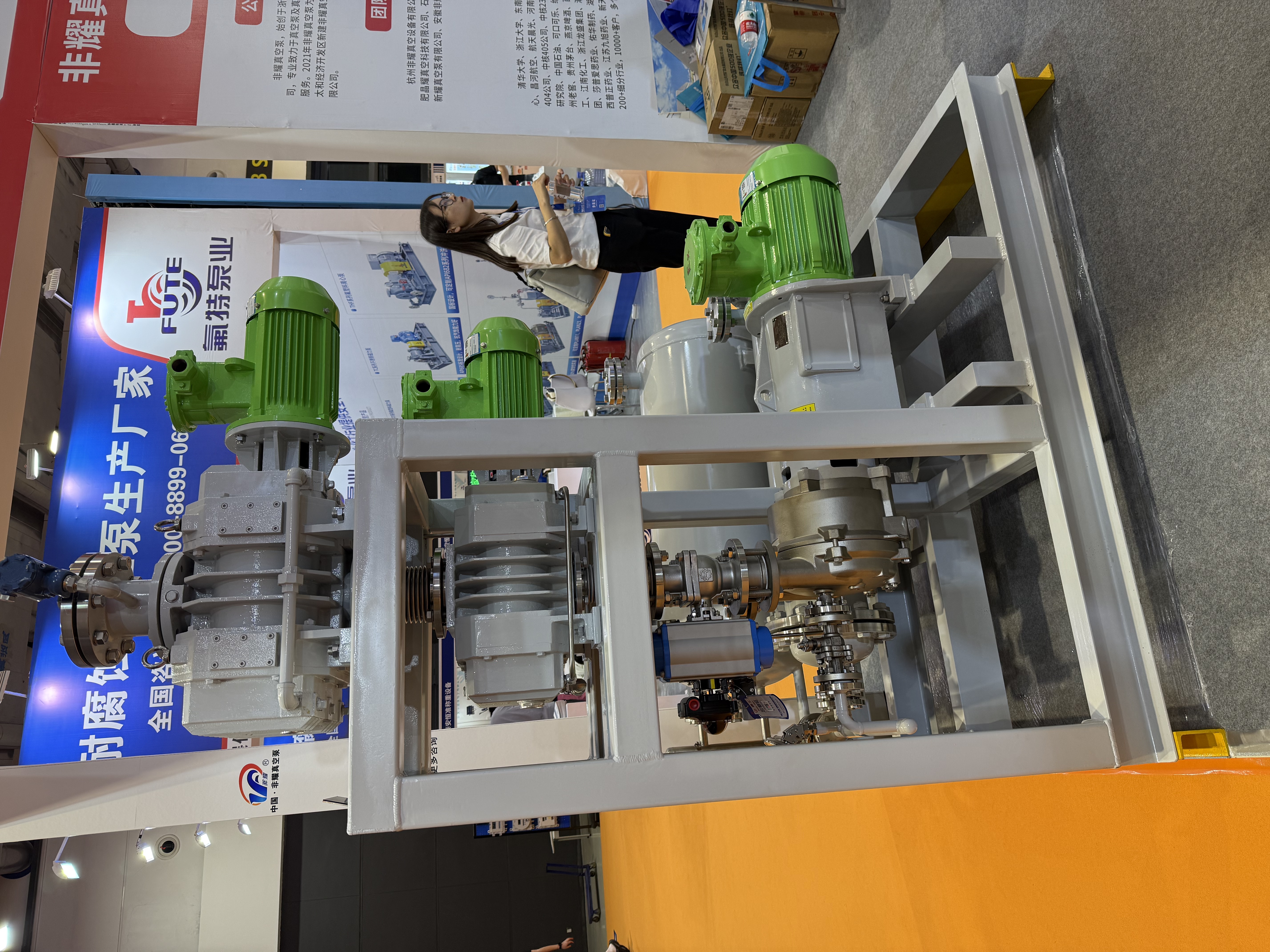
Introduction
Selecting the appropriate water ring vacuum pump for chemical processing applications requires careful consideration of multiple factors. This comprehensive guide will help you make an informed decision based on your specific process requirements.
Key Selection Criteria
1. Working Vacuum Level
Determine the required vacuum level for your process. Water ring vacuum pumps typically operate in the range of 33-1013 mbar. For chemical distillation processes, a vacuum level of 100-300 mbar is commonly required.
2. Pumping Capacity
Calculate the required pumping capacity based on your process gas load. Consider both normal operating conditions and peak loads. The 2BV series offers capacities from 0.45 to 27 m³/min, while the 2BE series provides larger capacities up to 500 m³/min.
3. Material Compatibility
Chemical processes often involve corrosive gases and vapors. Choose pumps with appropriate materials:
- Cast iron for non-corrosive applications
- Stainless steel 304 for mild corrosion resistance
- Stainless steel 316L for highly corrosive environments
4. Seal Liquid Selection
The choice of seal liquid affects pump performance and compatibility:
- Water: Most common, cost-effective
- Glycol solutions: For low-temperature applications
- Process-compatible liquids: For specific chemical compatibility
Application-Specific Recommendations
Distillation Processes
For chemical distillation, we recommend the 2BV5 or 2BV6 series with stainless steel construction. These models provide stable vacuum levels essential for consistent product quality.
Crystallization
Crystallization processes benefit from the precise vacuum control offered by our 2BV series pumps with variable frequency drives (VFD).
Solvent Recovery
For solvent recovery systems, consider pumps with enhanced vapor handling capabilities and appropriate material selection to prevent corrosion.
Maintenance Considerations
Regular maintenance is crucial for optimal performance:
- Monitor seal liquid quality and replace as needed
- Check impeller clearance periodically
- Inspect bearings and seals every 6 months
- Clean strainers and filters regularly
Conclusion
Choosing the right water ring vacuum pump for your chemical application requires balancing technical requirements, material compatibility, and operational considerations. Our engineering team is available to provide personalized recommendations based on your specific process parameters.
Tags
Need Help with Your Vacuum Application?
Our engineers can provide expert advice tailored to your specific requirements
Contact Us Today